

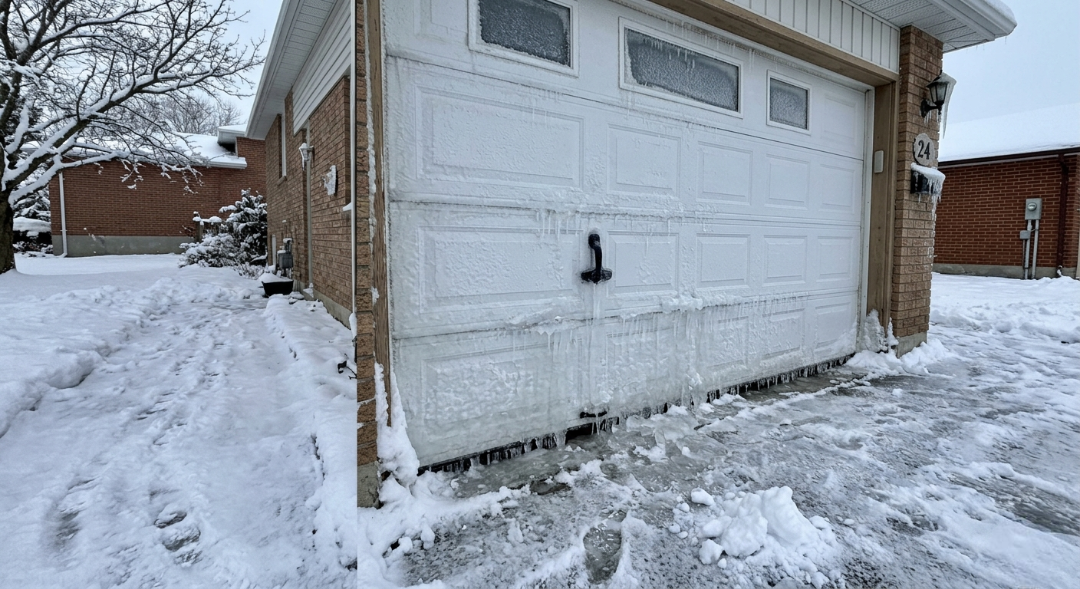
Chicago winters can take a toll on a garage door. Cold temperatures, snow, ice, moisture, and road salt can affect weather seals, rollers, hinges, tracks, sensors, cables, and opener performance. Preparing the system before freezing weather arrives can help reduce seasonal problems and make it easier to spot repairs before the door stops working.
A good winter-prep routine doesn’t need to be complicated. Focus on the parts most likely to be affected by cold weather and avoid forcing the door when something is already stuck, damaged, or moving unevenly.
Quick Answer
Before winter, inspect the bottom seal and perimeter weatherstripping, clean debris from the tracks, lubricate approved moving parts, check rollers and hinges for wear, test the safety sensors, and make sure the opener works smoothly.
Look at springs and cables only from a safe distance. Do not adjust them yourself. If the door is already noisy, slow, uneven, or hard to move, schedule a professional garage door tune-up before winter makes it worse.
Start With the Seal That Touches the Floor
The bottom weather seal is one of the most important parts to inspect before winter. It helps block cold air, water, snow, ice, dirt, and pests from entering beneath the door.
Close the garage door and look for gaps, cracks, tears, flattening, brittleness, or sections that no longer touch the floor evenly.
A damaged bottom seal can let freezing air and moisture into the garage. It can also allow snowmelt to collect near the threshold and refreeze overnight.
If the seal is cracked, crushed, or no longer holding its shape, you may need to replace it before cold weather becomes routine.
Check the Sides and Top for Drafts
The side and top seals also matter. Even a good garage door can lose cold-weather performance when air leaks around the edges.
Stand inside the garage with the door closed and look for daylight around the perimeter. Visible light may point to damaged weatherstripping, poor seal alignment, or an uneven door fit.
You can also feel for drafts along the closed door’s edges. If cold air is already entering during mild weather, the problem will likely become more noticeable in winter.
Keep Weatherstripping Clean and Flexible
Weather seals collect dirt, salt, moisture, and road residue during winter. That buildup can dry out or damage rubber and vinyl materials over time.
Clean accessible weatherstripping with mild soap and water. Avoid harsh solvents or petroleum-based products that may damage seal material.
A clean, flexible seal is more likely to sit properly against the floor and perimeter of the opening. This helps the garage stay cleaner and reduces the chance of moisture collecting around the bottom edge.
Clear the Tracks Before Cold Weather Hits
Keep garage door tracks clean and free of dirt, leaves, salt residue, hardened debris, and anything that can interfere with roller movement.
Wipe accessible track sections with a clean cloth or soft brush. Do not coat the tracks with heavy grease.
The rollers need a clean path, not an oily track surface that attracts more dirt.
If the rollers keep scraping, binding, or dragging after you clean the tracks, the issue may involve worn rollers, track alignment, or other mechanical problems.
Inspect Rollers, Hinges, and Hardware
Rollers and hinges move every time the garage door opens and closes. Before winter, check them for visible wear.
Look for cracked rollers, worn bearings, bent stems, corrosion, excessive wobbling, loose hinges, missing fasteners, or hardware that appears out of place.
Cold weather can make existing friction or wear more noticeable. If rollers are damaged rather than just dry, you may need professional garage door roller replacement.
Avoid loosening brackets or hardware connected to springs or cables. Some parts can be under significant tension.
Lubricate the Right Parts, Not Everything
Fall is a good time to check whether approved moving parts need lubrication.
Use a product designed for garage door hardware and follow the manufacturer’s instructions for your specific door. Proper lubrication can benefit compatible hinges, roller bearings, and other moving points.
More lubricant is not better.
Too much product can drip, collect dirt, and create buildup. Apply only what is needed and wipe away obvious excess.
Do not grease the tracks. Tracks should generally remain clean so rollers can move through them properly.
Look at Cables and Springs From a Safe Distance
Garage door cables and springs play a major role in supporting and moving the door. They can also be dangerous to handle without training.
Before winter, visually check the cables for fraying, corrosion, loose strands, unusual slack, or signs they no longer wind correctly.
Look at the springs for obvious gaps, corrosion, deformation, or changes in how the door moves.
Do not touch, tighten, adjust, or reposition cables or springs yourself.
If a cable looks worn or the door begins hanging unevenly, schedule professional garage door cable replacement.
Test the Door Before Freezing Weather Arrives
Operate the garage door several times and watch how it moves.
The door should open and close smoothly without scraping, jerking, hesitation, sudden speed changes, or unusual noise.
If the door is slow, shaky, uneven, or much louder than usual, don’t ignore it in winter.
Cold temperatures can make existing resistance more noticeable and may place additional strain on the opener. A fall inspection can help correct problems before they become winter breakdowns.
Make Sure the Door Is Balanced
A properly balanced garage door should not force the opener to do all the lifting.
If the door becomes unusually heavy, rises unevenly, or doesn’t stay stable during a professional test, the spring system may need attention.
Homeowners should not adjust spring tension themselves. Balance issues should be handled by a trained garage door technician.
A balanced door helps reduce unnecessary strain on the opener, rollers, cables, and tracks.
Test the Safety Sensors
Photoelectric safety sensors sit near the bottom of the garage door opening. They help prevent the automatic opener from closing the door when something blocks the path.
Before winter, make sure the lenses are clean, aligned, and unobstructed.
Leaves, dirt, slush, snow, stored items, or road debris can interfere with the sensor beam and cause the door to reverse or refuse to close.
If the door keeps malfunctioning after basic cleaning and obstruction checks, you may need garage door sensor repair.
Listen to the Opener Before Winter
The garage door opener should move the door consistently without repeated stopping, abnormal vibration, or excessive strain.
If the opener sounds like it is struggling, the issue may be with the opener itself or with resistance elsewhere in the door system.
A weak opener, poor door balance, worn rollers, track problems, or sensor issues can all show up as unreliable operation.
Fix opener problems before winter to avoid getting stuck on a cold morning departure.
Replace Weak Remote Batteries Early
Cold weather can reveal weak remote batteries and intermittent transmitter problems.
Test your remotes before winter and replace batteries if performance is inconsistent. Also check whether the opener responds reliably from a normal distance.
If a remote still works poorly after a battery change, the issue may involve programming, interference, antenna position, or the opener receiver.
Know How the Emergency Release Works
Winter storms and power outages can make the emergency release system important.
Make sure you understand how your opener is designed to be disconnected and reconnected.
Do not test or pull the release when the door is damaged, off track, visibly unbalanced, or frozen to the ground. A damaged or stuck door can move unpredictably when disconnected from the opener.
Stop the Bottom Seal From Freezing Shut
Moisture beneath the garage door can refreeze overnight and bond the bottom seal to the floor or driveway.
Before opening the door on a freezing morning, check for ice around the bottom edge.
Do not repeatedly activate the opener against a frozen seal. This can damage weatherstripping and place unnecessary strain on the opener.
Carefully clear ice before operating the door.
Keep Snow, Ice, and Salt Away From the Opening
Snow, packed ice, slush, and road salt can collect around the bottom of the door and lower hardware.
Keep the threshold clear so the door can close fully and the seal sits properly against the floor.
Vehicles can also carry salty slush into the garage, where it may collect near lower rollers, brackets, cables, and door sections.
Cleaning visible residue during the winter helps reduce corrosion and makes it easier to spot problems early.
Consider Insulation and Draft Control Together
If the garage is attached to the home, used as a workshop, or contains temperature-sensitive items, insulation may matter during winter.
However, insulation alone is not enough. A well-insulated door can still perform poorly if weather seals are damaged or gaps remain around the opening.
Compare the door’s insulation, R-value, perimeter sealing, and installation quality together.
When Winter Prep Becomes a Repair
Winter maintenance only helps when the door is mechanically sound.
A broken spring, frayed cable, bent track, damaged roller, failed sensor, unreliable opener, or off-track door needs repair, not more lubrication or weatherstripping.
If the door is stuck, crooked, won’t close, or is unsafe to operate, emergency garage door repair may be more appropriate than continuing seasonal maintenance.
Schedule a Fall Garage Door Tune-Up
Fall is one of the best times to schedule professional garage door maintenance in Chicago.
A technician can inspect rollers, cables, springs, tracks, sensors, hardware, opener performance, weather seals, and door balance before freezing weather arrives.
A professional garage door tune-up can help identify issues that may not be obvious during a basic homeowner inspection.
Get Your Garage Door Ready Before Chicago Winter Hits
Preparing your garage door before winter can help you catch worn seals, dry hardware, damaged rollers, cable issues, sensor trouble, opener strain, and cold-weather problem areas before they interrupt daily use.
Inspect the system in fall, keep snow and salt away from lower hardware, avoid forcing a frozen or damaged door, and schedule professional service when movement becomes uneven or unreliable.
E.K. Garage Door provides residential maintenance, tune-ups, repairs, and 24-hour emergency garage door service throughout Chicago.
Contact E.K. Garage Door at (312) 860-1171 to prepare your garage door for the winter season.
Frequently Asked Questions
When Should I Prepare My Garage Door for Winter?
Early to mid-fall is a practical time to inspect the garage door. This gives you time to address worn seals, damaged rollers, sensor problems, or opener issues before freezing weather becomes routine.
What Garage Door Parts Matter Most Before Winter?
Focus on weather seals, tracks, rollers, hinges, cables, springs, safety sensors, opener performance, and the bottom edge of the door. The bottom seal is especially important because it is exposed to moisture, snow, salt, and freezing conditions.
Should I Lubricate My Garage Door Before Winter?
Yes, approved moving parts may benefit from lubrication before winter. Use a garage-door-compatible product and follow manufacturer recommendations. Do not grease the tracks or over-lubricate the system.
What Should I Do if My Garage Door Freezes to the Ground?
Do not force the opener to pull the door free. Check for ice around the bottom seal and carefully clear frozen buildup before operating the door.
Do I Need a Professional Tune-Up Every Winter?
Not necessarily, but an annual professional tune-up is a useful baseline for many homes. Schedule service sooner if the door becomes noisy, slow, jerky, uneven, or difficult to operate.