Blog

Garage Door Safety Tips for Chicago Families

In the hustle and bustle of Chicago life, the garage often serves as the primary gateway to our homes. Whether you are unloading groceries in Lincoln Park or packing up the kids for a weekend trip from Naperville, your garage door is a mechanical workhorse. However, it is also the largest and heaviest moving object in your residence, capable of exerting hundreds of pounds of force. At E.K. Garage Door, we believe that a safe home starts with a well-maintained garage. Ensuring your family stays protected requires a combination of modern technology, regular maintenance, and consistent education.

The Foundation of Safety: Understanding the Risks

The modern garage door system is a marvel of engineering, but its sheer weight and high-tension components pose inherent risks. According to the U.S. Consumer Product Safety Commission (CPSC), thousands of injuries occur annually involving garage doors, ranging from pinched fingers to more severe entrapment accidents. In Chicago’s fluctuating climate, these risks can be amplified. Extreme cold can make metal components brittle, while humidity can cause wooden doors to swell and tracks to misalign, leading to unpredictable operation.

Essential Safety Features Every Family Needs

Since 1993, federal law has required residential garage door openers to include advanced safety features. If your opener was manufactured before this time, it may lack the life-saving technology necessary to protect your children and pets.

  • Photo-Eye Sensors: These infrared beams are located 4 to 6 inches above the floor. If the beam is broken while the door is closing, it immediately triggers a reversal.
  • Auto-Reverse Mechanism: This mechanical feature detects physical resistance. If the door strikes an object, it is designed to stop and move back to the fully open position within seconds.
  • Pinch-Resistant Joints: Newer door models feature panels designed to push fingers out of the way as the door folds, significantly reducing the risk of common hand injuries.

Monthly Maintenance and the “Three-Step Safety Test”

You don’t need to be a professional technician to perform a basic safety check. We recommend that Chicago families perform a “Three-Step Safety Test” on the first of every month to ensure their system remains in peak condition.

1. The Visual Inspection

Start with the door closed. Look closely at the springs, cables, rollers, and pulleys for signs of wear. In our local environment, look specifically for rust caused by road salt or fraying in the cables. Important: If you see a frayed cable or a gap in a torsion spring, do not touch it. These parts are under extreme tension and should only be handled by a certified professional.

2. The Door Balance Test

A balanced door is a safe door. Disengage your opener by pulling the red emergency release cord and lift the door manually. It should move smoothly with little resistance and stay open about 3 to 4 feet above the floor. If it slams shut or starts to move upward on its own, the spring tension is incorrect, which can burn out your motor and create a falling hazard.

3. The Reversal Test (The 2×4 Test)

Place a full roll of paper towels or a flat 2×4 piece of wood on the floor in the center of the door’s path. Use your remote to close the door. When the door strikes the object, it must reverse immediately. If it continues to push against the object, your opener’s sensitivity settings are dangerously high and require immediate adjustment.

For a deeper dive into home safety standards and the mechanics of residential systems, families can refer to the comprehensive guidelines provided by Iowa State University Extension and Outreach.

Educating Your Children: Rules for the “Big Moving Wall”

For many kids, the garage door looks like a giant toy or a challenge to be “raced.” Preventing accidents starts with clear household rules.

  • The “Wait and Watch” Rule: Teach children to never walk or run under a moving door. Families should wait until the door is completely closed before walking away or driving out.
  • Controls are Not Toys: Mount the wall-control button at least five feet above the floor to keep it out of reach of toddlers. Similarly, keep car remotes secured and explain that they are not playthings.
  • Fingers Away: Show children where the “pinch points” are and explain why they should never touch the tracks or the hinges while the door is in motion.

Educational resources from the International Code Council (ICC) emphasize that consistent parental supervision and the use of modern “Smart Garage” alerts can provide an extra layer of security, notifying you on your phone if a door is left open or operated at an unusual time.

Chicago-Specific Safety: Weather and Security

A father kneels on a snow-covered driveway at night to show his young daughter and son how to use a garage keypad, while the mother stands nearby with a city skyline in the background.

The “Windy City” presents unique challenges. High-velocity winds can put immense pressure on a garage door, potentially blowing it off its tracks. We recommend Chicago homeowners install Wind-Load Rated doors to maintain structural integrity during severe storms.

Additionally, safety isn’t just about accidents, it’s about security. We suggest using Rolling Code Technology, which changes the access code every time you use your remote. This prevents “code grabbing” by intruders. For those who park in the driveway, always lock your car to prevent someone from stealing the remote and gaining easy access to your home.

Trust E.K. Garage Door for Your Family’s Safety

Your family’s safety is non-negotiable, and a properly functioning garage door is your first line of defense. At E.K. Garage Door, we take pride in being Chicago’s trusted partner for safety inspections, high-quality repairs, and modern opener installations. Our technicians are trained to identify the subtle warning signs that homeowners might miss, providing you with peace of mind through every season. Whether you need a quick sensor alignment, a high-cycle spring replacement, or a full system upgrade, we are here to ensure your garage remains a safe and secure part of your home. Give your family the protection they deserve. Contact us today to schedule a comprehensive 25-point safety inspection. We’re not just repairing doors; we’re securing your home.
Signs Your Garage Door Needs Repair

Signs Your Garage Door Needs Repair

Your garage door plays a critical role in your home’s security and daily functionality.

It’s easy to take it for granted, until it starts showing signs of trouble. Ignoring early warnings can lead to more serious damage and costly repairs down the line. Knowing the signs your garage door needs repair helps prevent inconvenient breakdowns and ensures your property stays protected.

Whether the door is moving slower than usual, making unusual noises, or not responding at all, recognizing these signs early can save time, money, and stress.

Common Garage Door Issues That Require Repairs

Garage doors are complex systems with many moving parts that wear down over time. Among the most frequent issues are broken springs, misaligned tracks, damaged panels, and malfunctioning openers.

Each of these can affect the door’s ability to open and close smoothly, potentially compromising safety and efficiency. When these problems persist, it’s a clear indicator that your garage door needs professional attention.

Garage Door Needs Repair

Unusual Noises During Operation

Grinding, squeaking, or banging sounds during opening or closing are not normal.

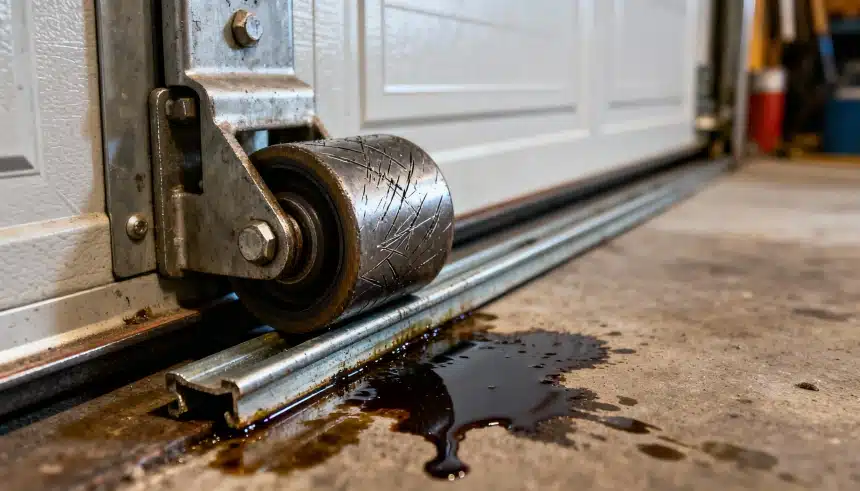
These noises often point to worn-out rollers, loose hardware, or a lack of lubrication. If your garage door suddenly becomes much louder than usual, that’s one of the strongest signs your garage door needs repair and shouldn’t be ignored.

Slower or Uneven Movement

When your garage door opens or closes unevenly, or moves more slowly than it used to, it could indicate a problem with the tension springs or cables. A door that doesn’t move smoothly might soon stop functioning altogether. These early changes in movement are strong signs that a repair is needed.

Door Won’t Open or Close Completely

A garage door that stops halfway or refuses to open or close fully is more than an inconvenience – it can be a serious safety concern.

This can result from blocked sensors, a failing opener, or track obstructions. Consistent partial operation is one of the more obvious signs your garage door needs repair and requires immediate attention.

Visible Damage to Panels or Hardware

Dents, cracks, rusted hinges, and worn cables are visual clues that something is wrong. Even minor cosmetic issues can affect the structural integrity of the door over time. Keeping an eye on the condition of your door helps catch problems before they become emergencies.

Garage Door Comes Off Its Track

When a door slips off its track, it becomes both dangerous and unusable. It usually results from an impact, broken cables, or faulty rollers. Wondering how to fix garage door off track? While some homeowners attempt DIY solutions, it’s safer and more effective to call professionals.

Remote or Keypad Malfunction

If your keypad or remote suddenly stops working, it could be a signal issue, or something more serious with the opener system. Knowing how to reset a garage door keypad might solve the problem in simple cases, but if it continues to malfunction, it’s one of those subtle signs your garage door needs repair.

Frequent Reversals or Sensor Problems

Garage doors that randomly reverse direction or don’t respond to sensors may have alignment or electrical problems. Since the sensors are critical for safety, especially for homes with children or pets – any issues here should be addressed immediately.

When to Call a Professional?

If you’ve noticed any of the above signs, it’s time to reach out to an experienced technician. While some issues seem minor, delaying a fix can worsen the damage. For residents of Chicago, Garage Door Repair Services in Chicago are readily available for both emergency fixes and scheduled tune-ups.

For reliable and timely service, EK Garage Doors offers a trusted solution with years of hands-on experience.

Costs and Insurance Considerations

Homeowners often wonder whether Homeowners Insurance Cover Garage Doors in case of damage. The answer depends on the policy and the cause of the problem. Accidental damage is often covered, while wear and tear typically isn’t. It’s worth checking with your insurance provider.

Keep Your Garage Door Functioning Smoothly

Recognizing the signs your garage door needs repair allows you to act before minor issues become serious problems. Whether it’s unusual noises, visible damage, or trouble opening the door, don’t ignore the early warnings. For homeowners in the Chicago area, the expert team at EK Garage Doors is ready to assist with inspections, repairs, and full replacements. Reach out today and let professionals handle your garage door needs with precision and care.

Frequently Asked Questions

What is the most common garage door repair?

Broken torsion springs are the most common repair, as they handle the heavy lifting of your door and wear out over time.

What’s the average lifespan of a garage door?

With regular maintenance, most garage doors last between 15 to 30 years, depending on the material and usage.

At what point is a garage door damaged beyond repair?

If the door has extensive structural damage, recurring mechanical issues, or outdated safety features, replacement may be more cost-effective than repeated repairs.

How do you know when it’s time to replace your garage door?

Frequent malfunctions, rising repair costs, or reduced energy efficiency are strong indicators it’s time for a new door.

How to fix garage door off track?

A sudden garage door off track situation can interrupt your day and create safety concerns at home. When the rollers slide out of place or the door becomes uneven during movement, the entire system loses stability.

Understanding what causes a garage door off the track and knowing how to respond helps you maintain smooth operation and avoid stress during daily use. In this guide, you will learn what triggers the problem, how to approach it step by step, and how to prevent future issues through maintenance and professional support. Clear actions lead to a safer and more reliable garage door system.

Why It Happens and How to Fix It?

A garage door off track situation may occur when rollers face friction, tracks loosen, or pressure affects one side of the door.

In these moments you might notice early signs such as a sudden shake or changes in glide speed during colder months. Many homeowners only recognize the problem after finishing a simple task like Reset a Garage Door Keypad where movement afterward reveals deeper misalignment.

Some of the most common causes include:

  • Rollers that lose lubrication and create uneven movement
  • Tracks that shift slightly over time due to temperature changes
  • Brackets that loosen and reduce support
  • Dirt or debris inside the rail that interrupts roller glide
  • Small dents that gradually push the rollers toward the edge

Regular inspection helps prevent falling off track, which often develops slowly before becoming visible. Applying gentle guidance and checking each component supports smooth, balanced, and reliable door motion.

garage door off track

How to put back garage door back on track?

Step 1: Pause and Secure the Door

Once you notice the door shifting, scraping or tilting, pause immediately and secure the area. Keeping the door steady prevents additional pressure on the rollers and tracks. This first step is essential for safety and creates a stable starting point for the next actions.

Step 2: Examine the Track Path Carefully

Follow the track from top to bottom and observe whether each section rests evenly along the frame. Pay attention to small shifts such as gentle bends, minor spacing, or areas where the rails feel slightly looser than usual. If the alignment appears uncertain or inconsistent, you can always consult a trained technician who specializes in Repair in Chicago, IL.

Step 3: Check Roller Position and Movement

Rollers influence the entire motion of the door. Examine each wheel and confirm that none are angled outward or resting against the edge of the track. Guide the rollers gently while keeping your hands clear of tension points. Even small corrections can improve movement, yet a professional can provide more accurate adjustments if the rollers resist proper positioning.

Step 4: Assess Tension and Track Stability

If the system shows signs of increased tension, unexpected friction, or minor vibration, consider scheduling a light Garage Door Tune Up. This supports smooth travel and reduces the risk of repeated misalignment. A technician can evaluate spring balance, hardware stability, and overall tension to ensure safe long term operation.

Step 5: Final Alignment and Testing

When you understand how the structure responds, you can reduce the chance of the system drifting again. After completing the basic steps, test the door gently to observe whether movement remains stable. If the door still feels heavy or uneven, a trained professional can identify hidden issues and complete a full garage door off track repair with accuracy and safe handling.

Common Mechanical Signs to Watch

When the system struggles, a garage door wheel off track can appear near the bottom rollers, signaling early trouble. You may also hear clicking, scraping, or uneven lifting, which can indicate dented or damaged tracks along the frame. If you recently handled routine maintenance, confirm that no objects remain near the rail. A rare but noticeable shift such as a garage door off the track formation prompts immediate attention before further movement. In these situations, checking your Homeowners Insurance policy may help identify available support for mechanical concerns.

Essential Steps to Restore Alignment

Before beginning repair, complete Stopping Operation procedures to ensure safety. Secure the door and visually follow the track path along its entire length. During the process you may find that a single roller caused garage door came off track behavior, which is common when bolts loosen. Clean the track thoroughly and remove buildup. If the problem occurred after regular maintenance, review your previous Garage Door Adjustment to verify the door stayed level. Once the rail is clear, you can continue realignment with greater confidence.

Roller and Track Examination

Rollers influence performance more than many homeowners realize. When friction builds, a door may tilt due to uneven pressure. A situation such as garage door coming off track can result from rollers that lost lubrication over time. Examine each wheel and ensure smooth glide along the surface.

If movement feels irregular, you can request Our Services for a quick assessment. Identifying early changes helps avoid larger disruptions, especially as seasons shift and materials expand or contract.

Handling Repeated Alignment Issues

When pressure builds or movement becomes unstable, you may experience garage door keeps coming off track which often points to misaligned tracks or worn brackets. Look for dents, rust, or loose areas that influence the door’s balance. A moment of misalignment may create garage door off track and crooked posture, requiring careful realignment. If the system behaves differently after repairs, schedule a full inspection to ensure every component functions consistently. Maintaining awareness of these signs helps keep your garage door off track situations from returning.

Mid Track Roller Problems

Roller displacement requires attention because it can escalate quickly. If you notice unusual vibration, you might find garage door roller came off track inside the rail. Carefully guide the roller back once the track becomes clear of debris. Review whether the track edges have subtle dents, which can cause repeat issues. Another sign to watch is the garage door wheel jumping out of track, which indicates pressure imbalance. Cleaning and inspecting the rail regularly helps prevent these situations and keeps the door functioning well.

Upper Section Track Issues

When upper rollers struggle, the top bracket may lose balance, causing the door to shift. A sudden movement might reveal the garage door popped off track which happens when the roller escapes the rail. If this occurs, right side tension or left side tension may need attention. Extremely rare cases involve chain off track, requiring careful adjustment of the chain assembly. Completing a thorough inspection prevents the door from repeating alignment patterns in the future.

Protecting the Door With Preventive Care

Good maintenance habits reduce unnecessary surprises and keep your garage door off track concerns minimal. Clean the tracks regularly, lubricate the rollers, and test movement routinely. After performing tasks such as Test Your Garage Door, observe whether the door moves evenly. When finishing maintenance, watch for early signs of Identify the Cause shifts such as small noises or roller hesitation. Consistent care builds a longer lasting system and supports safety throughout all seasons.

Advanced Situations That Require Help

Certain situations call for expert attention, especially when the door shifts suddenly or the movement feels uneven along the tracks. During moments that require Emergency garage door off track fix, trained technicians can evaluate the full system, check the rollers, and confirm that every component supports smooth motion.

Many homeowners look for guidance on how to get garage door back on track, particularly when the issue appears without warning. As part of the inspection, professionals also review areas where Tracks Are Loose and adjust them to restore long term stability. With careful servicing, your garage door off track concerns remain manageable and less likely to return.

Final Alignment Actions

After repairs, test movement calmly and ensure the door balances equally on both sides. If you observe an unusual tilt, review whether any components remain loose. Some people follow steps such as Put the rollers back to complete simple maintenance. Clear track visibility and balanced tension help avoid garage door off track repair follow up visits. For detailed support, homeowners occasionally seek assistance from EK Garage Door Repair in Chicago, IL to perform more advanced evaluations.

Your Door Deserves Smooth and Safe Operation

Maintaining a garage door off track system requires clear steps, careful observation, and ongoing care.

When you understand the structure and recognize early signs, you prevent interruptions and protect the entire mechanism. For precise assistance, expert diagnosis, or full alignment service, our team provides reliable solutions with steady results. Contact us anytime for a smooth, safe, and efficient garage door experience.


FAQ’s

How do I get my garage door back on track?

Begin by securing the door and checking whether debris or dents affect the track path. Guide the rollers slowly back into place while keeping the area stable. Once aligned, test movement gently to confirm smooth travel.

How do you put a garage door roller back on the track?

Lift the door slightly while supporting its weight, then position the roller inside the rail. Confirm that the surrounding hardware sits firmly and evenly. Move the door by hand to ensure steady and consistent motion before restoring regular use.

Why does my garage door come off track?

A door may shift when rollers wear out, tracks loosen, or pressure affects one side of the door. Dirt or debris inside the rail also disrupts movement. Regular care and inspection help maintain stability and prevent repeated issues.

How much does it cost to repair a garage door that came off track?

The cost depends on the level of damage, alignment needs, and roller conditions. Minor adjustments are usually less expensive than track replacement. A technician can provide a clear estimate after a full inspection of the system.

What should I do when the door becomes crooked during lifting?

Check the rollers, tracks, and brackets carefully for misalignment. A crooked door indicates uneven pressure or loose bolts along the frame. Addressing the issue quickly prevents further strain on the entire mechanism.

Can a bent track be repaired without replacing it?

Mild bends may be gently realigned if the metal remains strong. Larger dents require section replacement to maintain safe operation. Reviewing the track shape helps determine the best long term solution.

How do I know if my rollers need replacement?

Rollers often show signs such as rough movement, squeaking, or visible wear. When the roller surface changes shape, motion becomes inconsistent. Replacing worn rollers restores smooth operation and protects the track.

Does Homeowners Insurance Cover Garage Doors?

If you’re wondering whether your homeowners insurance covers garage doors, the simple answer is yes – but there are a few details to keep in mind.

Homeowners insurance usually covers standard garage door repairs; however, several factors determine the extent of that coverage and when it applies.

Garage doors can be expensive to repair or replace, which makes it essential to know how your insurance works. Many homeowners also wonder whether a garage door is considered part of the home. This article explains exactly how homeowners insurance applies to garage doors and under what circumstances it covers repairs or replacements.

What Is Homeowners Insurance?

Homeowners insurance (sometimes referred to as home insurance garage door coverage) is a type of policy that protects you from financial loss due to damage to your home and its contents. It also provides liability protection for accidents that occur on your property.

This type of insurance typically covers interior and exterior damage, loss of personal belongings, and injuries that happen within your residence. Each policy has a specific coverage limit and deductible. For example, if repairs to your home cost $8,000 and your deductible is $2,000, the insurance company will pay the remaining $6,000. Always read your policy carefully so you understand what’s included and what isn’t.

Keep in mind that homeowners insurance policies generally exclude acts of war and acts of God, such as floods or earthquakes. These events require separate, specialized coverage.

How To Know If Homeowners Insurance Covers Your Garage Doors?

Now that you understand the basics, let’s explore when does homeowners insurance cover garage doors under your policy.

The most reliable way to find out is to speak directly with your insurance provider. Many homeowners struggle with the formal or legal language used in insurance documents and may overlook key details that affect coverage. It’s also worth noting that filing a claim can raise your insurance premium.

In some cases, it may be more cost-effective to handle minor issues out of pocket. If your garage door isn’t working, schedule an inspection and compare the Garage Door Tune-Up Cost with your deductible before filing a claim.

Factors That Affect Your Coverage for Garage Doors

Homeowners insurance does cover garage doors, but not in every situation. Several factors determine whether your policy applies.

Type of Garage Door:

There are two main types of garage doors: attached and detached.

  • Attached garage doors are physically connected to your home. Because they’re part of the main structure, they are typically covered by homeowners insurance.
  • Detached garage doors however, may not be covered unless your policy specifically includes “other structures”. This clause usually extends to things like sheds, fences, or driveways, though with a lower coverage limit, often around 10% of your total policy value.

If you’re uncertain, check the homeowners insurance garage door section of your policy or ask your agent directly whether detached garages are included.

Homeowners Insurance Cover Garage Doors

Garage Door Damages Covered by Homeowners Insurance

So, is garage door repair covered by homeowners insurance? Generally, yes, provided the damage was caused by a covered peril such as:

  • Fire or smoke
  • Storms or wind damage
  • Vandalism
  • Theft
  • Accidental vehicle impact

For example, if you accidentally hit your garage door with your car, you might ask: does homeowners insurance cover garage door damage by your car? In most cases, it does, the policy will cover the cost of the door repair, but not the damage to your vehicle.

If you’re wondering is a broken garage door covered by homeowners insurance, the answer is yes, as long as the issue wasn’t caused by neglect or normal wear and tear.

Garage Door Damages Not Covered

Just as there are covered events, some damages fall outside of homeowners insurance protection. Normal deterioration, aging, or lack of maintenance aren’t covered.

Garage doors can last many years, but regular care is essential.

Scheduling Garage Door Services periodically can help prevent costly breakdowns. Routine maintenance keeps your system running smoothly and reduces the chance of future claims. If you live within or near Gragae Door Repair Chicago Service Areas, professional Gragae Door Repair technicians can inspect your system and repair issues before they become serious problems.

What About Replacement?

Another common question is does homeowners insurance cover garage door replacement. The answer is: sometimes.
If your door is too damaged to be repaired safely, your insurance company may approve a garage door replacement instead. This typically applies when the cost of repair exceeds the value of a new door.

Some policies refer to this as homeowners insurance garage replacement or home insurance cover garage door. To ensure you’re fully protected, check whether your policy includes “replacement cost coverage.” This clause guarantees reimbursement for a new door rather than the depreciated value of the old one. So, is garage door covered by homeowners insurance for both repair and replacement? Yes – but only when the damage is sudden and accidental, not due to age or neglect.

The Bottom Line on Garage Door Coverage

So, does homeowners insurance cover garage doors? In most cases, yes, your policy can protect you from unexpected damage caused by storms, fire, theft, or even accidental vehicle impact. The type of garage door you have and the details in your policy determine how much of the repair or replacement costs are covered. To avoid surprises, review your coverage carefully and contact your insurance provider for clear answers about your specific plan.

If you need help assessing damage or restoring your garage door, our professional Garage Door Services are available across all Service Areas in Chicago, IL.

Contact EK Garage Doors today to schedule an inspection or repair and keep your home safe, functional, and fully protected.


FAQ’s

Does homeowners insurance cover garage door openers?

Not always. Some policies treat the opener as a separate electrical device, while others include it as part of the door system. Check your policy details.

How often should I inspect my garage door to stay covered?

Regular maintenance at least once a year helps prevent denial of claims due to neglect. Keep records of service visits and tune-ups.

Does insurance cover garage door damage after a storm in Chicago?

Yes, if the damage was sudden and caused by strong winds, falling debris, or heavy snow, common issues in Chicago winters.