

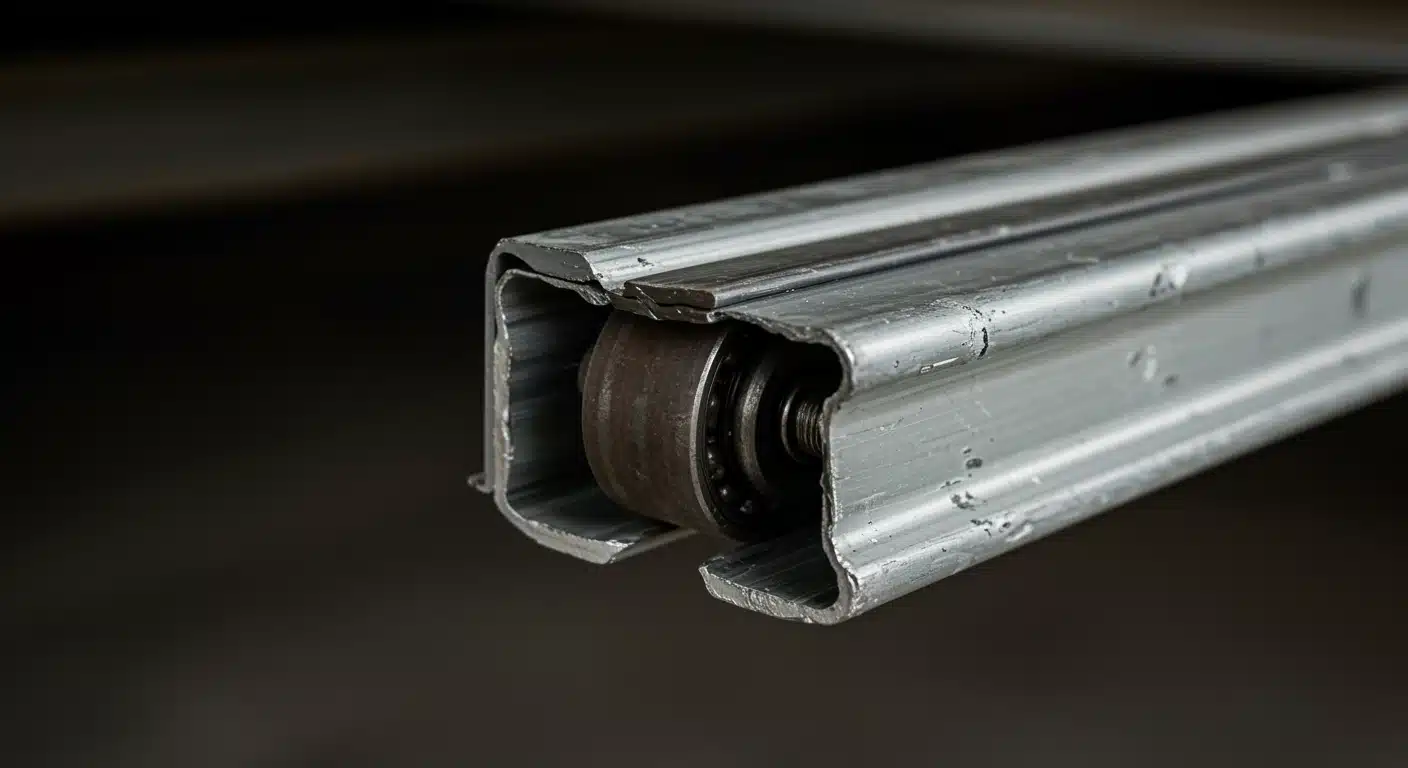
A sudden garage door off track situation can interrupt your day and create safety concerns at home. When the rollers slide out of place or the door becomes uneven during movement, the entire system loses stability.
Understanding what causes a garage door off the track and knowing how to respond helps you maintain smooth operation and avoid stress during daily use. In this guide, you will learn what triggers the problem, how to approach it step by step, and how to prevent future issues through maintenance and professional support. Clear actions lead to a safer and more reliable garage door system.
Why It Happens and How to Fix It?
A garage door off track situation may occur when rollers face friction, tracks loosen, or pressure affects one side of the door.
In these moments you might notice early signs such as a sudden shake or changes in glide speed during colder months. Many homeowners only recognize the problem after finishing a simple task like Reset a Garage Door Keypad where movement afterward reveals deeper misalignment.
Some of the most common causes include:
- Rollers that lose lubrication and create uneven movement
- Tracks that shift slightly over time due to temperature changes
- Brackets that loosen and reduce support
- Dirt or debris inside the rail that interrupts roller glide
- Small dents that gradually push the rollers toward the edge
Regular inspection helps prevent falling off track, which often develops slowly before becoming visible. Applying gentle guidance and checking each component supports smooth, balanced, and reliable door motion.
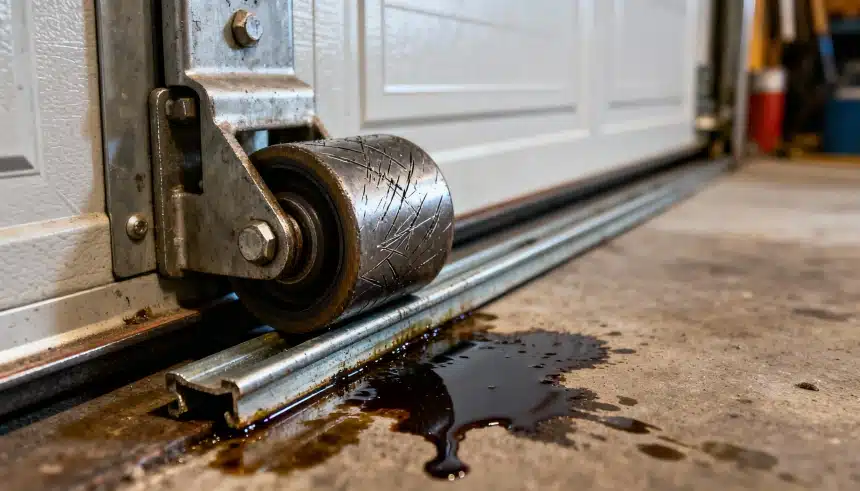
How to put back garage door back on track?
Step 1: Pause and Secure the Door
Once you notice the door shifting, scraping or tilting, pause immediately and secure the area. Keeping the door steady prevents additional pressure on the rollers and tracks. This first step is essential for safety and creates a stable starting point for the next actions.
Step 2: Examine the Track Path Carefully
Follow the track from top to bottom and observe whether each section rests evenly along the frame. Pay attention to small shifts such as gentle bends, minor spacing, or areas where the rails feel slightly looser than usual. If the alignment appears uncertain or inconsistent, you can always consult a trained technician who specializes in Repair in Chicago, IL.
Step 3: Check Roller Position and Movement
Rollers influence the entire motion of the door. Examine each wheel and confirm that none are angled outward or resting against the edge of the track. Guide the rollers gently while keeping your hands clear of tension points. Even small corrections can improve movement, yet a professional can provide more accurate adjustments if the rollers resist proper positioning.
Step 4: Assess Tension and Track Stability
If the system shows signs of increased tension, unexpected friction, or minor vibration, consider scheduling a light Garage Door Tune Up. This supports smooth travel and reduces the risk of repeated misalignment. A technician can evaluate spring balance, hardware stability, and overall tension to ensure safe long term operation.
Step 5: Final Alignment and Testing
When you understand how the structure responds, you can reduce the chance of the system drifting again. After completing the basic steps, test the door gently to observe whether movement remains stable. If the door still feels heavy or uneven, a trained professional can identify hidden issues and complete a full garage door off track repair with accuracy and safe handling.
Common Mechanical Signs to Watch
When the system struggles, a garage door wheel off track can appear near the bottom rollers, signaling early trouble. You may also hear clicking, scraping, or uneven lifting, which can indicate dented or damaged tracks along the frame. If you recently handled routine maintenance, confirm that no objects remain near the rail. A rare but noticeable shift such as a garage door off the track formation prompts immediate attention before further movement. In these situations, checking your Homeowners Insurance policy may help identify available support for mechanical concerns.
Essential Steps to Restore Alignment
Before beginning repair, complete Stopping Operation procedures to ensure safety. Secure the door and visually follow the track path along its entire length. During the process you may find that a single roller caused garage door came off track behavior, which is common when bolts loosen. Clean the track thoroughly and remove buildup. If the problem occurred after regular maintenance, review your previous Garage Door Adjustment to verify the door stayed level. Once the rail is clear, you can continue realignment with greater confidence.
Roller and Track Examination
Rollers influence performance more than many homeowners realize. When friction builds, a door may tilt due to uneven pressure. A situation such as garage door coming off track can result from rollers that lost lubrication over time. Examine each wheel and ensure smooth glide along the surface.
If movement feels irregular, you can request Our Services for a quick assessment. Identifying early changes helps avoid larger disruptions, especially as seasons shift and materials expand or contract.
Handling Repeated Alignment Issues
When pressure builds or movement becomes unstable, you may experience garage door keeps coming off track which often points to misaligned tracks or worn brackets. Look for dents, rust, or loose areas that influence the door’s balance. A moment of misalignment may create garage door off track and crooked posture, requiring careful realignment. If the system behaves differently after repairs, schedule a full inspection to ensure every component functions consistently. Maintaining awareness of these signs helps keep your garage door off track situations from returning.
Mid Track Roller Problems
Roller displacement requires attention because it can escalate quickly. If you notice unusual vibration, you might find garage door roller came off track inside the rail. Carefully guide the roller back once the track becomes clear of debris. Review whether the track edges have subtle dents, which can cause repeat issues. Another sign to watch is the garage door wheel jumping out of track, which indicates pressure imbalance. Cleaning and inspecting the rail regularly helps prevent these situations and keeps the door functioning well.
Upper Section Track Issues
When upper rollers struggle, the top bracket may lose balance, causing the door to shift. A sudden movement might reveal the garage door popped off track which happens when the roller escapes the rail. If this occurs, right side tension or left side tension may need attention. Extremely rare cases involve chain off track, requiring careful adjustment of the chain assembly. Completing a thorough inspection prevents the door from repeating alignment patterns in the future.
Protecting the Door With Preventive Care
Good maintenance habits reduce unnecessary surprises and keep your garage door off track concerns minimal. Clean the tracks regularly, lubricate the rollers, and test movement routinely. After performing tasks such as Test Your Garage Door, observe whether the door moves evenly. When finishing maintenance, watch for early signs of Identify the Cause shifts such as small noises or roller hesitation. Consistent care builds a longer lasting system and supports safety throughout all seasons.
Advanced Situations That Require Help
Certain situations call for expert attention, especially when the door shifts suddenly or the movement feels uneven along the tracks. During moments that require Emergency garage door off track fix, trained technicians can evaluate the full system, check the rollers, and confirm that every component supports smooth motion.
Many homeowners look for guidance on how to get garage door back on track, particularly when the issue appears without warning. As part of the inspection, professionals also review areas where Tracks Are Loose and adjust them to restore long term stability. With careful servicing, your garage door off track concerns remain manageable and less likely to return.
Final Alignment Actions
After repairs, test movement calmly and ensure the door balances equally on both sides. If you observe an unusual tilt, review whether any components remain loose. Some people follow steps such as Put the rollers back to complete simple maintenance. Clear track visibility and balanced tension help avoid garage door off track repair follow up visits. For detailed support, homeowners occasionally seek assistance from EK Garage Door Repair in Chicago, IL to perform more advanced evaluations.
Your Door Deserves Smooth and Safe Operation
Maintaining a garage door off track system requires clear steps, careful observation, and ongoing care.
When you understand the structure and recognize early signs, you prevent interruptions and protect the entire mechanism. For precise assistance, expert diagnosis, or full alignment service, our team provides reliable solutions with steady results. Contact us anytime for a smooth, safe, and efficient garage door experience.
FAQ’s
How do I get my garage door back on track?
Begin by securing the door and checking whether debris or dents affect the track path. Guide the rollers slowly back into place while keeping the area stable. Once aligned, test movement gently to confirm smooth travel.
How do you put a garage door roller back on the track?
Lift the door slightly while supporting its weight, then position the roller inside the rail. Confirm that the surrounding hardware sits firmly and evenly. Move the door by hand to ensure steady and consistent motion before restoring regular use.
Why does my garage door come off track?
A door may shift when rollers wear out, tracks loosen, or pressure affects one side of the door. Dirt or debris inside the rail also disrupts movement. Regular care and inspection help maintain stability and prevent repeated issues.
How much does it cost to repair a garage door that came off track?
The cost depends on the level of damage, alignment needs, and roller conditions. Minor adjustments are usually less expensive than track replacement. A technician can provide a clear estimate after a full inspection of the system.
What should I do when the door becomes crooked during lifting?
Check the rollers, tracks, and brackets carefully for misalignment. A crooked door indicates uneven pressure or loose bolts along the frame. Addressing the issue quickly prevents further strain on the entire mechanism.
Can a bent track be repaired without replacing it?
Mild bends may be gently realigned if the metal remains strong. Larger dents require section replacement to maintain safe operation. Reviewing the track shape helps determine the best long term solution.
How do I know if my rollers need replacement?
Rollers often show signs such as rough movement, squeaking, or visible wear. When the roller surface changes shape, motion becomes inconsistent. Replacing worn rollers restores smooth operation and protects the track.