


When the first true winter freeze hits Chicagoland, it brings more than just icy roads and heavy snowfall. For many homeowners from Naperville to the North Shore, it also triggers a familiar, agonizing sound: a loud, piercing screech every time the garage door opens or closes. A squeaking garage door is more than just an annoyance that wakes up the neighbors; it is a clear warning sign that your system is fighting dangerous friction.
The extreme weather fluctuations in the Midwest place tremendous stress on mechanical assemblies. Neglecting these seasonal warning signs can lead to premature component failure, costly tracking errors, or a completely seized overhead door system. Fortunately, mastering the physics of winterization and understanding proper lubrication protocols can restore smooth, quiet operation to your home even during sub-zero temperature drops.
The Science of the Squeak: How Midwest Winters Threaten Your Garage Door
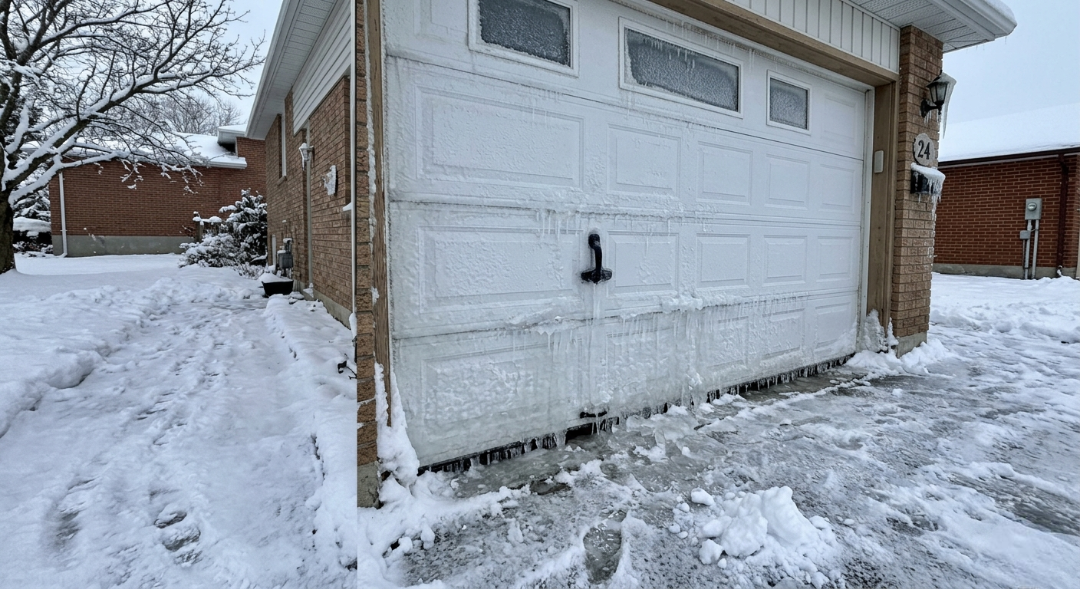
Your garage door relies on an intricate network of moving steel components, including springs, rollers, hinges, and bearings. When functioning optimally, these parts move in harmony to distribute the massive weight of the door panels. However, the harsh climate of the Chicago suburbs introduces specific environmental variables that accelerate mechanical deterioration.
Metal Contraction and Friction Inflation
According to basic thermal dynamics, metal contracts when exposed to freezing temperatures. In a garage door system, this contraction alters micro-tolerances between moving parts. The steel tracks, rollers, and hinges bind more tightly against one another, dramatically increasing mechanical friction. This heightened friction vibrates through the assembly, transforming minor structural imperfections into loud, high-pitched squeaks.
Condensation, Flash Rust, and Salt Corrosives
As you drive your vehicle into the garage after a snowy commute along the Dan Ryan or I-90, your car sheds layers of ice, road salt, and chemical de-icers. The indoor heat melts this debris, causing humidity levels inside the garage to spike rapidly. When this moisture contacts freezing steel garage door components, it generates flash rust. This abrasive oxidation acts exactly like sandpaper inside the bearings, causing significant grinding noises and rapid component degradation.
The Right Versus Wrong Lubricants for Extreme Cold
Many well-meaning homeowners attempt to silence a noisy door by grabbing the first aerosol can they find on their workbench. However, applying the wrong chemical composition can permanently ruin your garage door mechanism. The National Institute of Standards and Technology (NIST) regularly emphasizes how material performance changes under extreme environmental stress, which dictates your choice of maintenance formulas.
The Danger of Traditional Degreasers
Never use standard WD-40 Blue Can or general penetrating oils to lubricate a garage door. While these formulations are excellent for breaking loose rusty bolts, they are technically solvent-based degreasers rather than heavy-duty lubricants. They will strip away any remaining factory grease, evaporate within days, and leave the metal entirely unprotected against the harsh winter air.
The Flaw of Heavy Mechanical Greases
Thick automotive grease or marine lithium pastes seem logical because they stay in place, but they are disastrous in cold climates. When temperatures plummet below zero, these heavy greases undergo a phase change, hardening into a thick, tacky sludge. This sludge traps airborne dust, pet hair, and drywall debris, turning the mixture into an abrasive grinding paste that stalls the garage door motor.
The Ideal Cold-Weather Lubricants
For reliable protection down to negative temperatures, use a specialized high-grade silicone spray or a premium dry-film lithium lubricant. Silicone creates a slick, waterproof barrier that actively repels Chicago’s intense winter moisture while retaining its fluid elasticity down to forty degrees below zero. Dry-film lubricants bond directly to the steel skin without leaving a sticky residue, preventing dust accumulation.
Step-by-Step Winter Maintenance and Lubrication Plan
To safely silence your overhead door system, prepare the surface area before applying your chosen lubricant. Executing this maintenance routine every autumn ensures total reliability through the coldest winter months.
1. Clear the System and Isolate Power
Disconnect the automatic garage door opener by pulling the red emergency release cord. Manually lift and lower the door to feel for physical resistance or catching points. Safely unplug the overhead motor unit from its power source to prevent accidental activation while your fingers are near the moving hardware components.
2. Clean Tracks and Hardware Surfaces
Use a clean microfiber cloth and a mild biodegradable degreaser to wipe down the interior of both vertical and curved steel tracks. Do not lubricate the inside of the garage door tracks. Adding grease inside the tracks causes the rollers to slide rather than spin, flattening the wheels and burning out the electric motor. The tracks must remain completely clean and dry.
3. Lubricate the Hinges and Roller Bearings
Target the pivot points of all metal hinges where the door panels bend. Next, look closely at the rollers. If you have nylon rollers with sealed ball bearings, do not lubricate them. If you have exposed steel rollers, apply a single drop of silicone lubricant directly into the center core bearing assembly, allowing the liquid to penetrate the internal ball bearings.
4. Coat the Torsion Springs and Bearing Plates
Your heavy overhead torsion springs, located directly above the closed door opening, bear the brunt of the mechanical workload. Spray the entire exterior length of the springs generously, then use a rag to spread the lubricant evenly across the coils. This dampens the loud coil-against-coil friction noise and prevents structural spring snapping caused by cold-weather brittleness. Finish by spraying the circular bearing plates located on both the far left and right ends of the main spring shaft.
Recognizing When Squeaking Signals Dangerous Component Failure
While regular lubrication resolves minor friction noises, certain sounds point to deeper mechanical failures that require immediate professional attention. If your garage door produces a heavy rhythmic grinding, a metallic slapping sound, or visually jerks and shakes as it travels along the tracks, lubrication will not fix the issue.
Worn-out bearings, elongated track openings, and frayed steel lifting cables cannot be repaired with a simple spray can. Torsion springs operate under extreme mechanical tension and can cause severe injury or property damage if they snap during a DIY repair attempt. If the squeaking persists after proper lubrication, the system requires a precision tuning and inspection by a certified local expert.
Schedule Professional Cold-Weather Garage Service
Do not let an icy Chicago winter leave you stranded outside with a broken or jammed overhead door system. The experienced technicians at EK Garage Door understand the unique challenges that Midwest weather forces upon your home’s entry points. We provide comprehensive safety inspections, track realignments, and heavy-duty winterization tuning services to ensure your system runs smoothly and quietly all winter long. Contact us today to schedule your professional winter maintenance service and keep your garage operating reliably through every blizzard.