

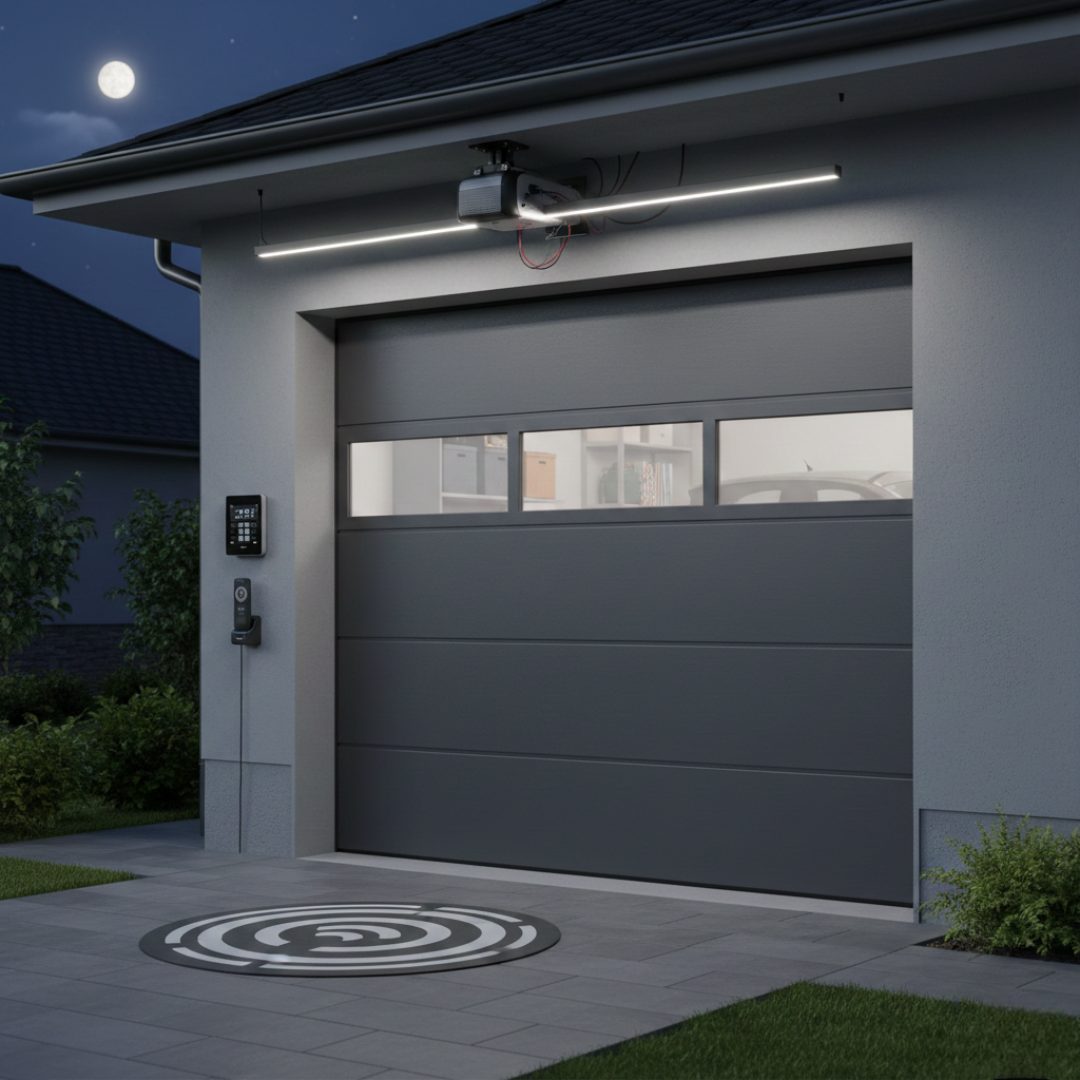
Discovering that your vehicle has been broken into is incredibly violating, but that initial shock turns to outright panic when you notice the thief took your garage door remote. If your car was parked in the driveway, on the street outside your home, or even at a nearby commuter lot where your registration card reveals your home address, a stolen garage door remote is the equivalent of handing a burglar a key to your front door.
Most residential entry doors connecting the garage to the kitchen or laundry room are equipped with standard, lightweight locks that are easily bypassed. This makes your garage door the primary vulnerability for home invasions. You cannot afford to wait until tomorrow to address this threat.
Securing your perimeter requires swift, decisive action to ensure that the stolen transmitter becomes completely useless to the criminal who took it.
Step 1: Wipe the Opener’s Memory Instantly
The absolute highest priority is to erase the internal code history of your automatic garage door opener. Every modern opener features a receiver memory that stores the unique radio frequency signatures of every remote control, wireless keypad, and vehicle-integrated transponder paired with the system.
To clear this memory, place a sturdy ladder underneath the overhead motor unit. Remove the light cover or locate the panel containing the operational buttons. Look for a bright button labeled “Learn” or “Smart”, this button is typically colored red, blue, green, orange, or purple depending on the manufacturer and manufacturing date.
Press and hold this button down continuously for approximately six to ten seconds. Watch the small LED indicator light right next to the button; once that light blinks rapidly or goes completely dark, release your grip. By performing this action, you have successfully wiped the system’s brain clean. Any attempt by the thief to click the stolen remote outside your house will result in absolutely nothing happening, effectively neutralizing the immediate entry threat.
Step 2: Manually Lock Down the Physical Door
While clearing the digital memory secures the automated motor unit, sophisticated criminals occasionally attempt to force the actual door panels open manually if they know the property is vulnerable. To prevent this, you should engage a physical mechanical lock immediately.
Look at the interior side rails of your garage door tracking system. Most standard track installations feature a spring-loaded slide lock mechanism mounted on either the left or right vertical track. Slide the heavy metal bolt all the way through the tracking slot to physically pin the roller wheel in place.
If your door lacks a manual slide lock, you can achieve the exact same mechanical security by taking a heavy-duty locking C-clamp or a pair of locking pliers (Vise-Grips) and clamping them tightly onto the vertical metal track directly above one of the roller wheels.
Critical Safety Warning: If you choose to engage a physical slide lock or clamp, you must immediately unplug the automated overhead motor unit from the ceiling electrical outlet. If anyone inadvertently presses a wall button while the door is physically locked down, the motor will try to lift the immense weight against an unyielding steel bar, which can twist your tracks out of alignment, snap your cables, or destroy the motor gears completely.
Step 3: Deprogram Vehicle Integrations and Reprogram New Devices
Once the immediate threat is mitigated, you can begin the process of safely restoring daily functionality to your household. Because Step 1 wipes the entire receiver memory, all of your legitimate remotes, exterior keypads, and built-in vehicle buttons (such as HomeLink or Car2U systems) will no longer operate the door.
Take your remaining physical remotes and your exterior keypad back up the ladder to the motor unit. Press the “Learn” button briefly for one second until the indicator light illuminates solidly, then immediately press the operational button on your remote control. The main overhead work light will flash once, confirming that the new, completely different rolling code has been successfully recorded.
Repeat this distinct process for every individual device you own. For vehicles with built-in transceiver systems, consult the automobile owner’s manual to clear out old frequencies before syncing the car back up to the freshly wiped garage receiver. According to home security safety analysis from the Federal Bureau of Investigation (FBI), securing secondary residential portals like garages significantly lowers the overall statistical probability of opportunistic target selection by burglars.
Step 4: File an Official Police Report and Audit Vehicle Documents
A stolen remote control should never be treated as a simple lost item; it is an active criminal incident. Contact your local police department’s non-emergency line to file an official report documenting the vehicle break-in and the specific theft of the automated entry device.
When filing the report, be sure to note whether your vehicle registration card or insurance paperwork was stored in the glove box or console. Criminals frequently target these documents because they display your home address alongside your full name. If these papers were taken, the police need to know that the thieves have a direct roadmap leading straight to your residence.
Additionally, take this opportunity to clean out your vehicle. Moving forward, make it an absolute household rule to treat your garage door remote like a physical house key. Avoid clipping it openly to the driver’s side sun visor where it remains highly visible through the glass windows. Instead, store it out of sight in a hidden center console, or transition over to an ultra-compact keychain remote that leaves the vehicle whenever you do.
Prevent Future Vulnerabilities with Smart Garage Upgrades
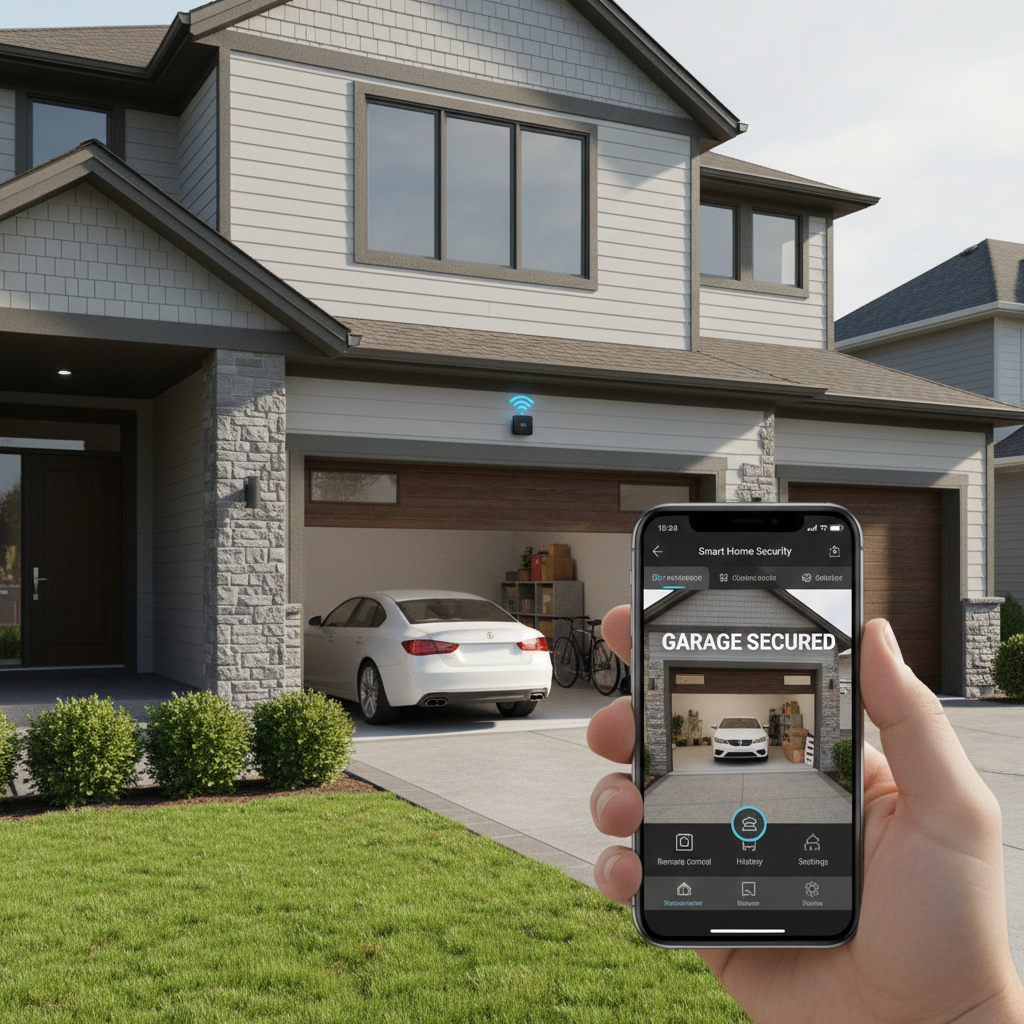
If your garage door opener is older, a stolen remote scenario is a fantastic catalyst to upgrade to a smart garage ecosystem. Modern Wi-Fi-enabled smart openers bypass traditional physical radio remotes altogether by utilizing encrypted smartphone applications for entry.
With a smart system, you receive real-time push notifications on your phone the exact second your garage door opens or closes. You can set automated schedules to ensure the door closes itself every night by a specific hour, and you can instantly revoke access permissions digitally from anywhere in the world without ever climbing a ladder. Taking these proactive technological steps transforms your garage from a vulnerable security weak point into a highly defended, intelligent perimeter.
Secure Your Peace of Mind with EK Garage Door
Experiencing a theft is stressful, but you don’t have to navigate your home’s security recovery alone. The dedicated professionals at EK Garage Door are ready to assist you with comprehensive emergency security audits, complete receiver reprogramming, and high-security hardware installations. Whether you need to replace compromised remotes, install robust mechanical side locks, or upgrade your home to a secure, modern smart opener system, our experienced local technicians provide fast, reliable support when you need it most. Check out our comprehensive structural safety options on our EK Garage Door Services Page or get in touch with our team today to ensure your home remains completely safe and secure.